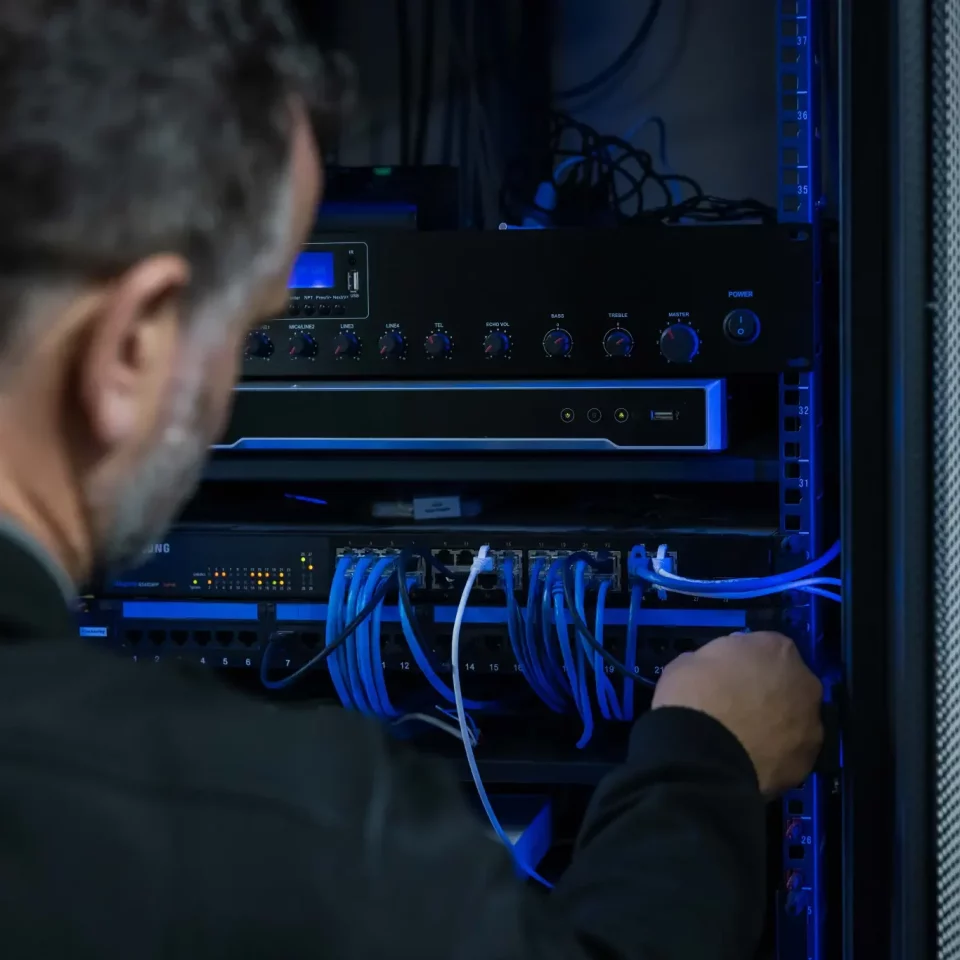

It’s a familiar scenario for many Tasmanian businesses. It’s 4pm on a Friday, staff are wrapping up for the week, and then someone reports that they can’t access the server.
Suddenly, what was meant to be a relaxing weekend becomes a stressful scramble to restore critical systems before Monday morning.
Server crashes, network outages, and system failures don’t respect business hours. They happen when they happen, and the timing is rarely convenient.
However, the cost of these emergencies goes beyond the immediate inconvenience. Understanding the real impact of IT crises can help you appreciate the value of proactive maintenance and support.
The Direct Costs
The immediate costs of an IT emergency are often the most visible. If your server goes down, you’re paying staff who can’t work productively. If you’re a retail business, you’re losing sales every minute your point-of-sale system is offline. If you’re a professional services firm, you’re losing billable hours while your team can’t access client files.
These direct costs can be significant, especially for smaller businesses with tight margins. A few hours of lost productivity or missed sales can erase a week’s profits. Repeated over time, these incidents can put a serious dent in your bottom line.
The Opportunity Costs
While your team is scrambling to restore systems, they’re not doing the work that drives your business forward. Sales calls aren’t being made, projects aren’t progressing, and strategic planning is put on hold. These opportunity costs are harder to quantify but no less real.
In the competitive Tasmanian business landscape, missed opportunities can have lasting consequences. The client you couldn’t respond to in a timely manner may choose a competitor. The project deadline you missed may damage a valuable relationship. The innovation you didn’t have time to pursue may be developed by someone else.
The Reputational Costs
In today’s connected world, every interaction shapes your brand reputation. If your systems are down when a client tries to contact you, that’s a mark against your reliability. If you miss a deadline because of a technology failure, that’s a strike against your professionalism.
These reputational costs can be the most damaging in the long run. In a small market like Tasmania, word gets around quickly. If your business becomes known for unreliability or missed commitments, winning new clients and retaining existing ones becomes an uphill battle.
The Human Costs
IT emergencies are stressful. They disrupt workflows, create uncertainty, and put pressure on everyone involved to resolve issues quickly. This stress takes a toll on your team’s morale, productivity, and even their health.
Repeated crises can lead to burnout, increased absenteeism, and higher staff turnover. The best employees are often the first to leave a chronically stressful environment, taking their knowledge and skills with them.
The Cumulative Effect
One Friday afternoon server crisis might be manageable. But when emergencies become routine, the cumulative effect can be devastating. Constant firefighting leaves no time for strategic planning, process improvement, or innovation. Your business becomes stuck in a reactive cycle, always responding to the latest crisis rather than proactively pursuing growth.
Over time, this reactive approach becomes normalised. Staff come to expect that systems will fail, and they develop workarounds to cope with the disruption. This acceptance of substandard performance creates a culture of mediocrity that’s hard to break.
Breaking the Cycle
The good news is that most IT emergencies are preventable. With proactive maintenance, regular upgrades, and comprehensive monitoring, you can identify and address potential issues before they become crises.
This proactive approach requires investment. You need to dedicate time and resources to maintaining your systems, training your staff, and planning for the future. You need to work with an IT partner who is focused on preventing problems rather than just reacting to them.
However, this investment pays off in increased reliability, improved productivity, and reduced stress. When your systems work as they should, your team can focus on their core responsibilities. When you’re not constantly putting out fires, you can plan for growth and innovation.
Is your business stuck in a cycle of reactive IT management? Pritech can help. We specialise in proactive, strategic IT support for Tasmanian businesses.
We’ll work with you to assess your current environment, develop a plan for improvement, and provide the ongoing support you need to achieve your goals. Contact us at www.priteh.ebundant.dev to start the conversation.